
India's Leading Process Safety Consultancy
Process Safety Intelligence for India's Process Industries
HAZOP, SIL, LOPA, QRA and process safety management for pharmaceutical, chemical, petrochemical and energy facilities across India.
About Us
India's Process Safety Consultancy — Engineering Judgement You Can Defend
Process Pulse provides consultancy dedicated to advancing process safety and risk management across diverse industries. Our goal is to deliver exceptional services that ensure operational safety, compliance, and efficiency — from HAZOP and risk management through thermal hazard testing and quantitative risk assessment.
Engineering Precision
Hazard Studies Grounded in Real Plant Detail
Every HAZOP node, every LOPA scenario, every SIL verification is traced back to the actual reactors, vessels, and control loops on the ground — not a generic template. That fidelity is what makes a safeguard recommendation survive contact with the real plant.

What We Do
Process Safety Services Across the Project Lifecycle
From concept-stage HAZID to operational PSM audits, we cover every stage where process risk needs to be identified, quantified, and controlled.
Process Safety Lifecycle
The Process Safety Lifecycle
Process safety is not a single study — it is a sequence of interconnected stages, each building on the findings of the one before it. Understanding where a service fits in this lifecycle clarifies why early-stage work and ongoing management discipline both matter.
Step 1
Process Design
Process chemistry, flow schemes and equipment selection are established, setting the foundation that all later hazard studies will examine.
Step 2
PHA / HAZID
Early-stage hazard identification flags major hazards at concept or pre-FEED stage, while design changes remain low-cost.
Step 3
HAZOP
Once P&IDs exist, a structured, node-by-node review identifies process deviations and verifies that safeguards address them.
Step 4
LOPA
Layer of Protection Analysis quantifies whether existing independent protection layers provide sufficient risk reduction for HAZOP-identified scenarios.
Step 5
SIL Assessment
Where instrumented protection is required, the necessary Safety Integrity Level is determined and the as-designed system is verified against it.
Step 6
Implementation
Safeguards, instrumented functions and procedural controls identified through the preceding studies are engineered and installed.
Step 7
PSSR
A Pre-Startup Safety Review confirms that implemented changes match design intent and that the facility is ready for safe operation.
Step 8
Operation
The facility operates under the established safeguards, procedures and operating discipline.
Step 9
MOC
Management of Change ensures that any subsequent modification to process, equipment or procedures is reviewed for new hazards before implementation.
Step 10
Revalidation
Periodic revalidation confirms that hazard studies and safeguards remain valid as the facility and its operating context evolve.
Who We Serve
Built for India's Highest-Hazard Industries
Each industry brings distinct hazard profiles, regulatory expectations, and operating constraints — our methodology adapts accordingly.
AI-Augmented Field Work
Technology That Sharpens Engineering Judgement, Never Replaces It
Digital twins, AR-assisted field inspection, and AI-flagged risk contours accelerate how fast a hazard is found — but every flagged deviation is still verified against first-principles process engineering before it reaches a report. The technology widens the net; the judgement decides what's real.

Authority
Engineering Judgement Backed by Methodology
Every deliverable follows internationally recognised methodology — IEC 61511, API 580/581, CCPS RBPS, and India's MSIHC Rules — interpreted for real plant conditions.
In the Field
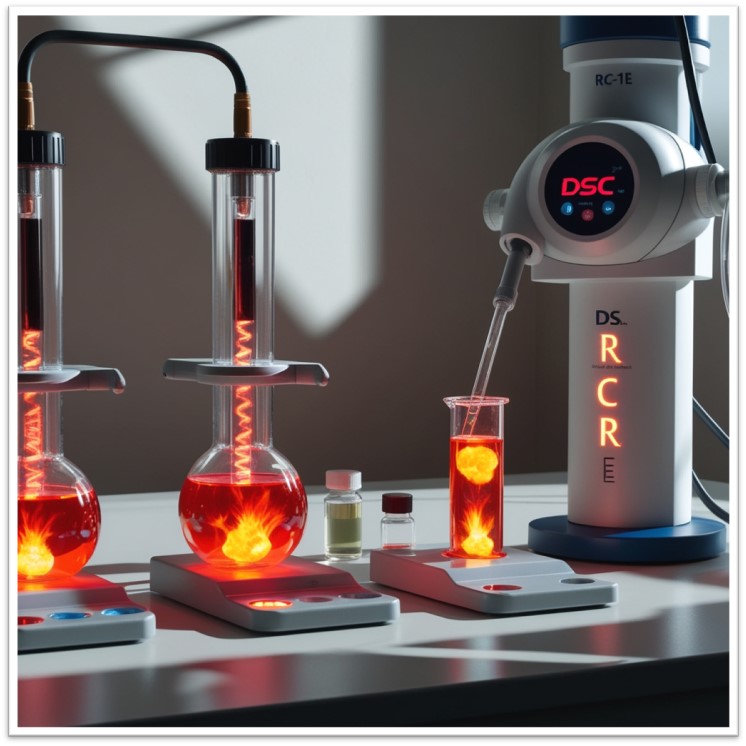
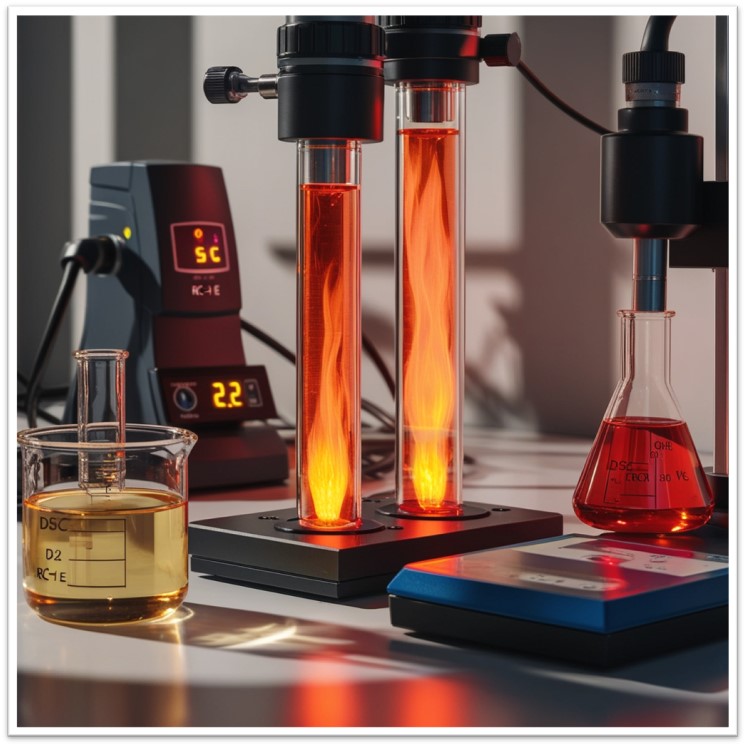
Engineering Judgement, Applied On-Site




Case Studies
Results from Recent Engagements
Client Testimonials
What Our Clients Say
“Process Pulse's HAZOP revalidation found gaps our internal review had missed for two years. The facilitation was rigorous without slowing the plant down.”
“The QRA report gave us defensible numbers for our land-use planning submission. Regulators accepted it without a single round of clarification.”
“Their RBI program cut our turnaround inspection scope while actually increasing focus on the equipment that mattered. The ROI was immediate.”
“We brought them in at pre-FEED for a HAZID and the layout changes they recommended would have been ten times more expensive after detailed design.”
FAQ
Frequently Asked Questions
What is a HAZOP study?
A HAZOP (Hazard and Operability) study is a structured, team-based technique that systematically examines a process using guide words applied to parameters at each P&ID node to identify deviations, their causes, consequences, and existing safeguards.
Who leads a HAZOP study?
A trained and experienced HAZOP facilitator (chairman), independent of the design team, leads the study to ensure objectivity, supported by a scribe who records findings in real time.
How often should HAZOP be revalidated?
Industry practice and many regulatory frameworks recommend HAZOP revalidation every 5 years, or sooner if significant process or equipment changes have occurred since the last study.
What is HAZID?
HAZID (Hazard Identification) is a qualitative, early-stage hazard identification technique performed at concept or pre-FEED stage to identify major hazards related to a facility and its site before detailed design begins.
What is the output of a HAZID study?
A HAZID study produces a hazard register listing identified hazards, their screening outcome, and recommendations — including which scenarios warrant further quantitative study such as QRA.
What does SIL stand for?
SIL stands for Safety Integrity Level, a measure defined in IEC 61508/61511 of the reliability required of a safety instrumented function, ranked from SIL 1 (lowest) to SIL 4 (highest risk reduction).
What is PFDavg?
PFDavg (Probability of Failure on Demand, average) is the calculated average probability that a safety instrumented function will fail to perform its safety action when called upon — the key metric used to verify a SIF meets its target SIL.
Can a single sensor achieve SIL 3?
It depends on the sensor's certified failure data and the overall architecture (1oo1, 1oo2, 2oo3 etc.); a single non-redundant element rarely achieves SIL 3 alone unless its certified PFD and architectural constraints (per IEC 61511) support it.